
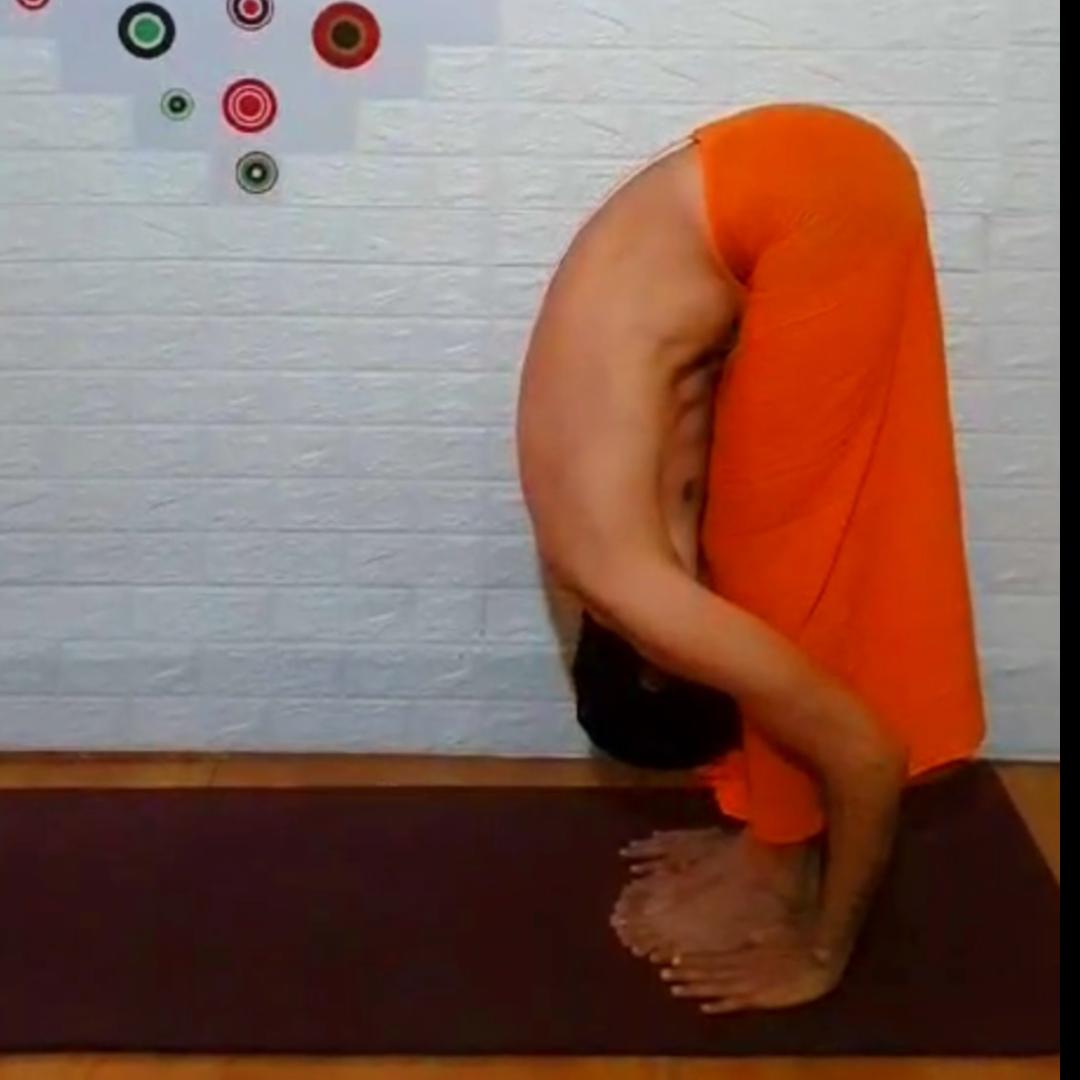
For centuries, yoga has been known to harmonize our body, mind, and spirit. Padahastasana (Hand to Foot Pose) is one of its many asanas, which are simple yet have powerful health benefits. This posture takes its Sanskrit name from “Pada” (foot) and “Hasta” (hand) and helps to stimulate the digestive system and provide flexibility.
Let’s look a bit more into Padahastasana’s beauty, learning to practice it correctly, and exploring its enormous health benefits.
How to Practice Padahastasana?
1. Starting Position
* Stand tall with the spine erect, feet together, and arm relaxed at the side of the body.
* Make sure your body is divided equally on both feet.
2. Bending Forward
* Bending forward slowly from the hips. Elongate the spine down, growing from the tailbone out to the lower back, then push the tailbone and lower back outward.
* Bend your mid-trunk with your back straight as long as possible, and also gaze forward.
3. Final Posture
* Start by getting your upper chest to draw closer to your knees. If possible, you should touch your forehead on your shins.
* To achieve a deeper pose, stretch your elbows outward and expand the upper back.
* Stay in this position while letting go of your back and maintaining your breath steady.
4. Back to the Starting Position.
* Repeat the movements slowly, passing through the initial standing posture.
Breathing Technique
Proper breathing enhances the effectiveness of Padahastasana:
* Inhale: When you start returning from sitting, in the starting position, or as you come upstairs.
* Exhale: While bending forward.
* Normal Breath: Perform steady breaths whilst practicing as holding the posture.
Awareness During Practice
* Physical: Pay attention to that stretch in your back and the relaxation of your spine.
* Spiritual: Focus on the Swadhisthana Chakra (sacral chakra), i.e., the creativity and emotions.
Ideal Sequence:
Padahastasana is best done before or after backbending postures to balance the spine and to increase flexibility.
Contraindications: When Should You Not Do Padahastasana?
There are several benefits to Padahastasana, but it isn’t for everyone. Avoid this posture if you:
Have serious back issues or sciatica.
* They have a history of heart disease, high blood pressure, or an abdominal hernia.
* Often prone to complications of inverted postures.
The Benefits of Padahastasana
1) Digestive Health:
* Stimulate the flow of digestion and help to relieve flatulence, constipation, and indigestion.
2) Spinal Health:
It stimulates and tones spinal nerves and helps improve your posture and flexibility in general.
3) Vitality and Metabolism:
* Its dynamic form increases energy levels and burns up metabolism in assisting weight loss.
4) Respiratory and ENT Health:
The trunk can help combat nasal and throat ailments by inverting it.
5) Mental Clarity:
Helps with concentration and relaxes.
Final Thoughts
Padahastasana is a wonderful combination of strength and flexibility, delivering physical and mental rejuvenation in a single posture. Bring this asana into your daily practice for the benefits of this amazing asana. You need to remember to listen to your body, do your practice with mindfulness, and not push the posture more than your limit.
It does not matter if you are a seasoned yogi or a beginner; the Padahastasana is a constant reminder of the power of yoga to connect the mind and body.